Shoulder replacement surgery continues to evolve, with advances in implant design, three-dimensional planning, and surgical technology helping surgeons address the unique anatomy of each patient's shoulder.
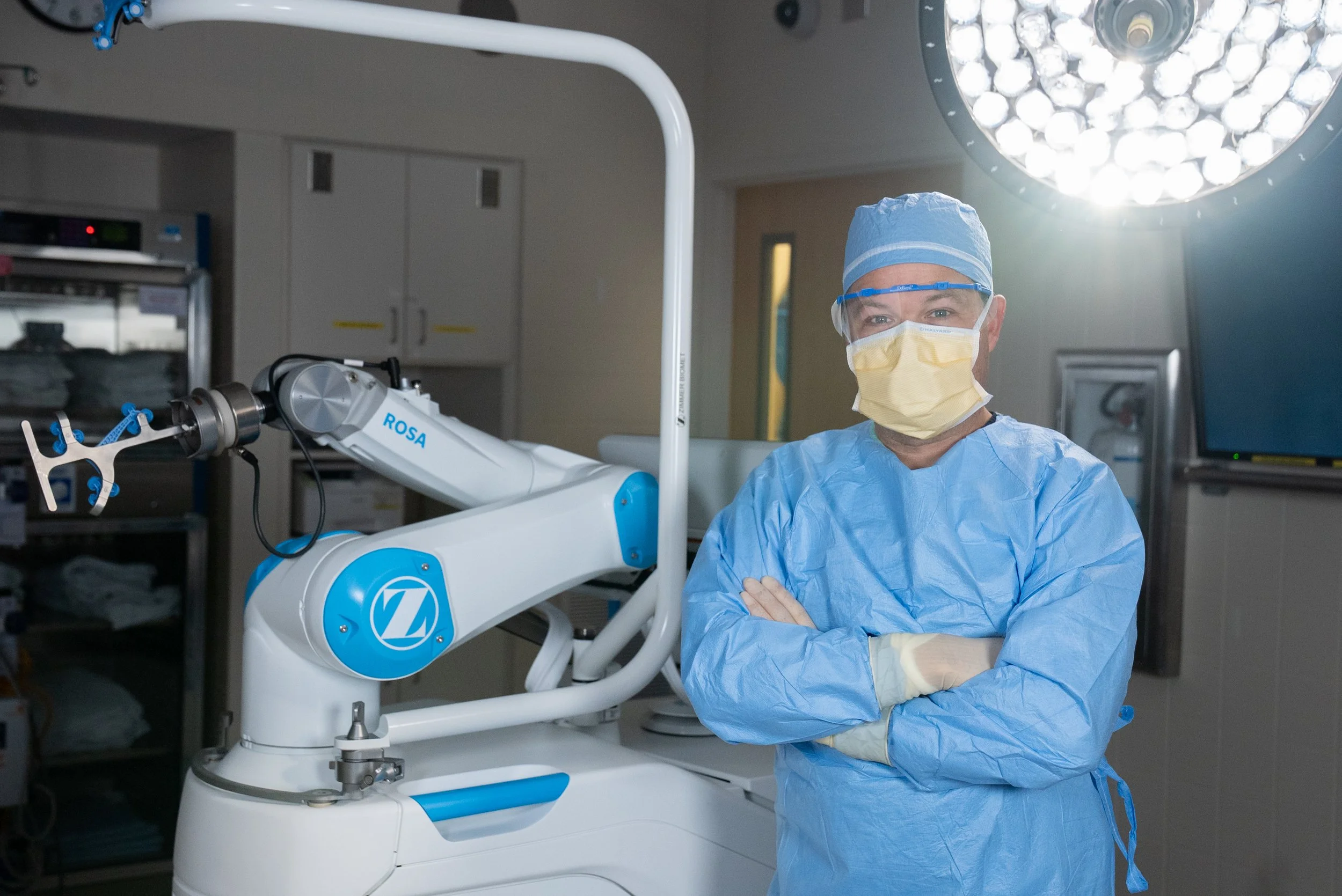
This November, I reached an important milestone in my practice by performing Michigan's first ROSA robotic-assisted shoulder replacement, using the Zimmer Biomet ROSA Shoulder System.
The procedure was a reverse total shoulder replacement, with robotic assistance used specifically for preparation of the glenoid, or socket portion of the shoulder joint.
This represents an exciting step in bringing another advanced surgical technology to patients in Northern Michigan.
What Is ROSA Robotic-Assisted Shoulder Replacement?
ROSA stands for Robotic Surgical Assistant. It is a system designed to help surgeons translate a detailed preoperative surgical plan into precise execution during surgery.
One of the most challenging aspects of shoulder replacement is positioning the glenoid implant.
The shoulder socket is relatively small, and its shape can vary considerably from patient to patient. In patients with advanced arthritis, years of wear can cause substantial changes in the shape and orientation of the bone.
Even relatively small differences in implant positioning may influence the mechanics of a shoulder replacement.
The ROSA system combines three-dimensional preoperative planning with robotic assistance to help the surgeon prepare the glenoid according to the surgical plan.
Importantly, the robot does not perform the surgery independently. The surgeon remains in control of the instruments and makes all surgical decisions.
My First Experience With ROSA Shoulder
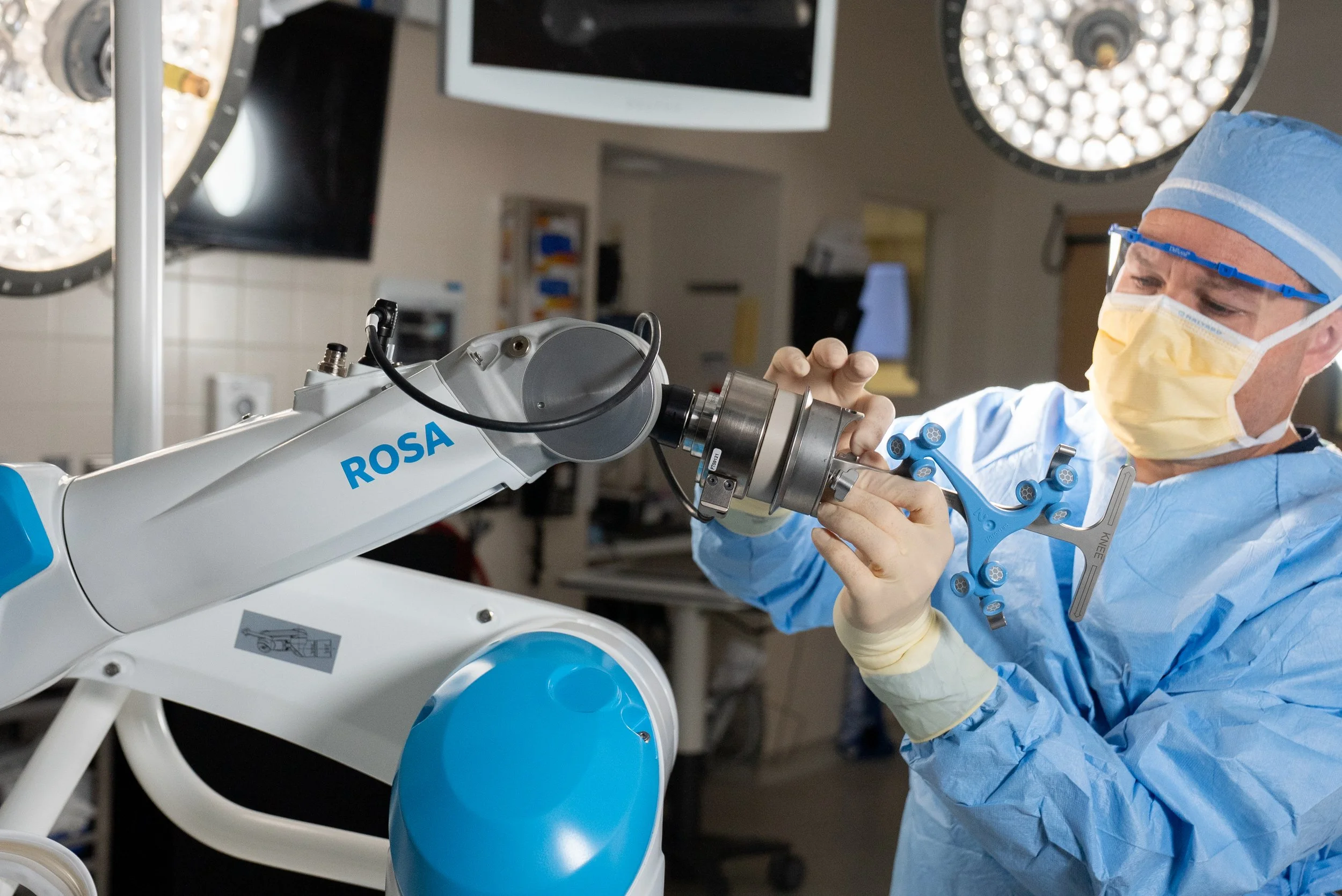
My first ROSA-assisted procedure was a reverse total shoulder replacement, an operation I routinely perform for patients with advanced shoulder arthritis and certain rotator cuff conditions.
During this procedure, I used the robotic system specifically for glenoid preparation.
The operation went well, and the experience provided an opportunity to incorporate robotic assistance into a familiar surgical technique.
As with any new technology, there is a learning curve. The robotic system introduces additional steps and requires adjustments to the usual surgical workflow.
What I find most promising is the potential for improved consistency and precision in glenoid preparation, particularly in patients with unusual anatomy or significant bone loss.
For me, the goal is not simply to use the newest technology. It is to determine whether that technology can help make an already effective operation more precise and reproducible.
Why Does Glenoid Positioning Matter?
In shoulder replacement surgery, the surgeon must account for the unique shape, orientation, and quality of each patient's bone.
The position of the glenoid implant can influence joint mechanics, stability, and how forces are transferred through the implant and surrounding bone.
Three-dimensional planning has already improved our ability to understand these anatomical differences before surgery.
Robotic assistance represents another step by helping surgeons carry out that plan during the operation.
This may be particularly valuable in complex shoulders where conventional anatomical landmarks have been altered by arthritis, deformity, or previous surgery.
Is Robotic Shoulder Replacement Better Than Traditional Surgery?
This is an important question, and one that deserves an evidence-based answer.
Early research suggests that robotic assistance can improve the accuracy and consistency of certain technical steps in shoulder replacement surgery.
However, we do not yet have sufficient long-term evidence to conclude that robotic-assisted shoulder replacement consistently provides better pain relief, function, or implant longevity than well-performed conventional shoulder replacement.
Those questions will require further research and longer patient follow-up.
For that reason, I plan to incorporate ROSA selectively into my shoulder replacement practice rather than use it routinely for every patient.
Conventional shoulder replacement remains an excellent operation with a long history of successful outcomes.
Technology Is a Tool, Not a Substitute for Experience
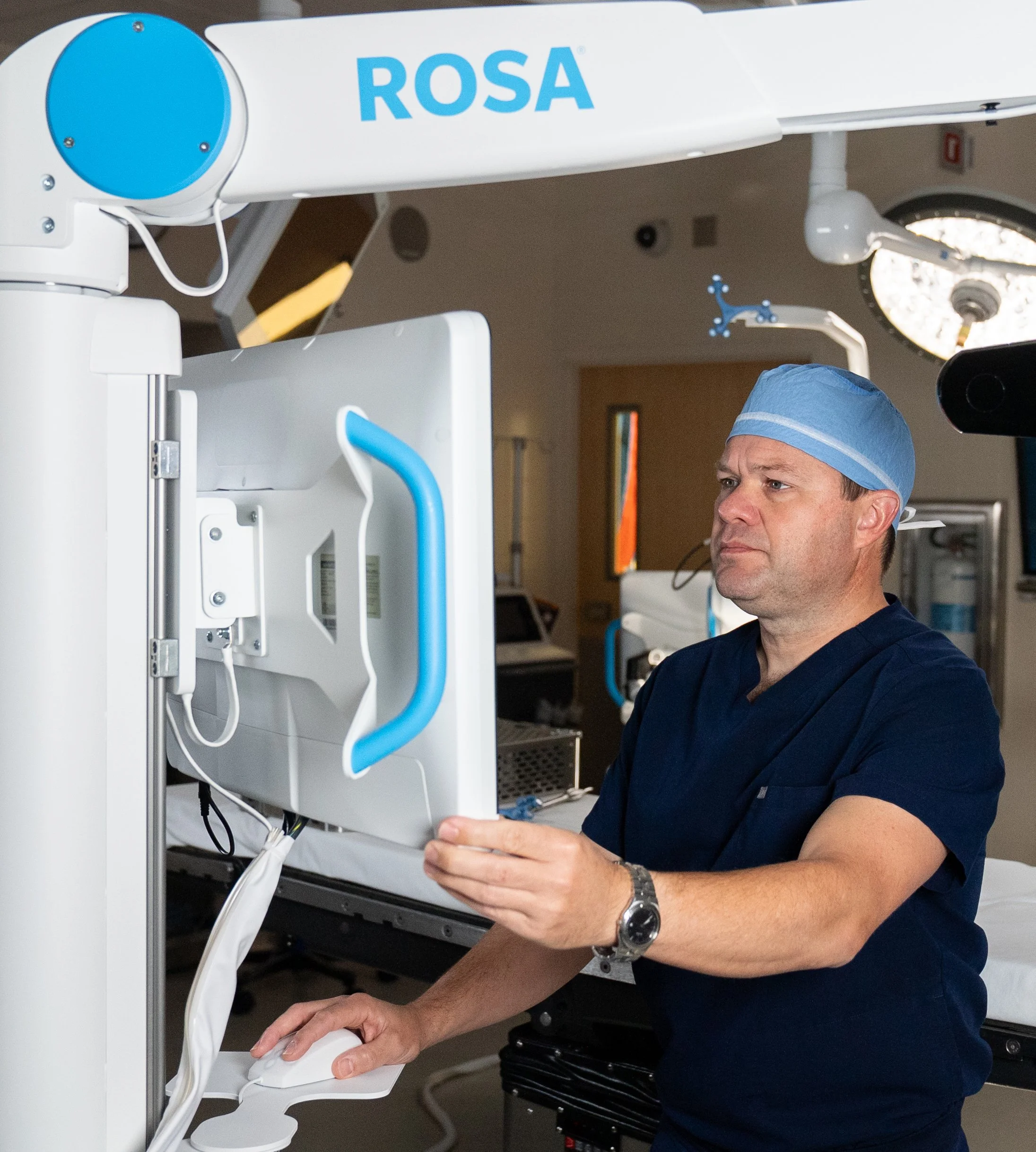
Although robotics may offer advantages in precision, successful shoulder replacement involves much more than positioning an implant.
Choosing the correct operation, understanding the patient's anatomy, managing bone loss and soft tissues, selecting appropriate implants, and guiding recovery all remain essential.
Robotic assistance does not replace surgical judgment or experience.
I believe the greatest value of new technology comes from combining it with established surgical principles and thoughtful patient selection.
Looking Ahead
Performing my first ROSA robotic-assisted shoulder replacement is an important milestone for my practice and an exciting development for shoulder surgery in Northern Michigan.
As the technology continues to evolve, I look forward to evaluating where it provides the greatest benefit and incorporating it when appropriate for individual patients.
Ultimately, my goal remains unchanged: to provide patients with reliable, individualized shoulder care using techniques and technologies supported by sound surgical principles and evolving evidence.
For patients considering shoulder replacement, the most important question is not simply whether a robot will be used, but which surgical approach is most appropriate for their particular shoulder.
To learn more about robotic-assisted shoulder replacement, read my earlier article, "Robotic Shoulder Replacement: A Primer for Patients."
If you are experiencing persistent shoulder pain, stiffness, or limitations in daily activities, a consultation with a shoulder specialist can help determine which treatment options may be right for you.