Which Shoulder Replacement Is Right for Me?
Shoulder arthritis, chronic rotator cuff tears, or previous surgeries can lead to pain that limits your daily life. Modern shoulder replacement procedures are highly successful — but choosing the right type of replacement is essential for your long-term comfort and function.
Below is a simple, clear guide to understanding the options. After reviewing this page, you can schedule a Shoulder Evaluation to determine which procedure best fits your shoulder and your goals.

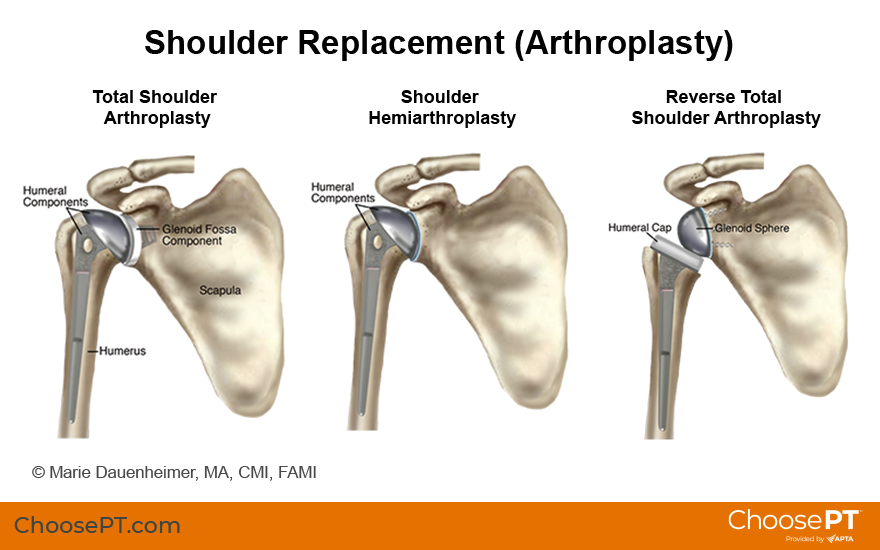
1. Anatomic Total Shoulder Replacement (TSA)
Best for:
Osteoarthritis or arthritis from old injuries
Patients with a healthy, intact rotator cuff
Stiffness, grinding, night pain
Difficulty reaching overhead or behind your back
How it works:
Anatomic TSA recreates the natural structure of the shoulder. The ball is replaced with a smooth metal implant; the socket is resurfaced with a high-grade plastic component.
Why choose it:
Most natural-feeling motion
Excellent pain relief
Strong long-term survivorship
Great for active adults with a healthy cuff
Who it is NOT for:
Patients with torn or non-functional rotator cuff
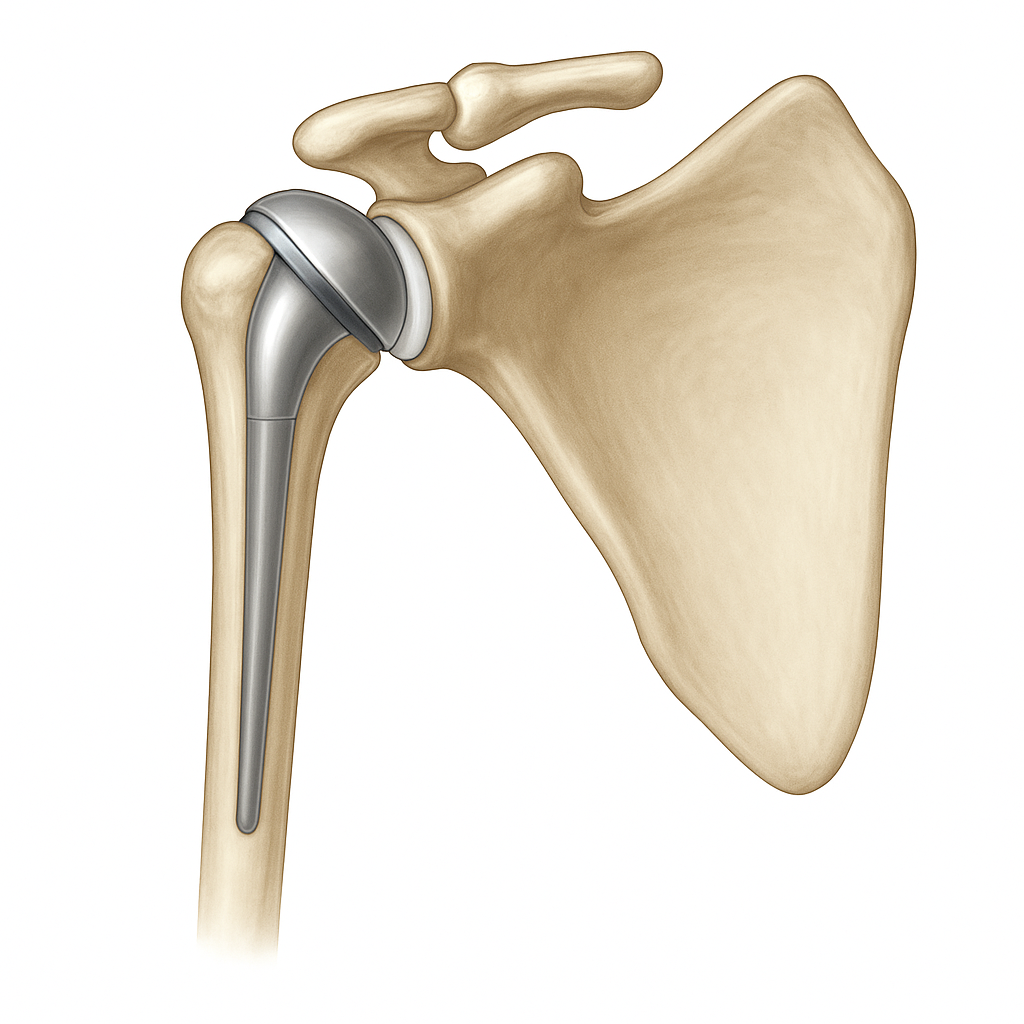
2. Reverse Shoulder Replacement (RSA)
Best for:
Massive or irreparable rotator cuff tears
Cuff-tear arthropathy
Severe arthritis with instability
Complex fractures in older adults
Many revision situations
How it works:
The ball and socket are “reversed” — the ball is placed on the shoulder blade, and the socket is placed on the upper arm. This design lets the deltoid muscle take over for a weak or torn rotator cuff.
Why choose it:
Excellent pain relief even with major cuff tears
Restores ability to elevate the arm
Very stable and reliable
Preferred for revision cases
Who it is NOT for:
Younger patients with fully intact cuff and normal bone (usually better served by anatomic TSA)
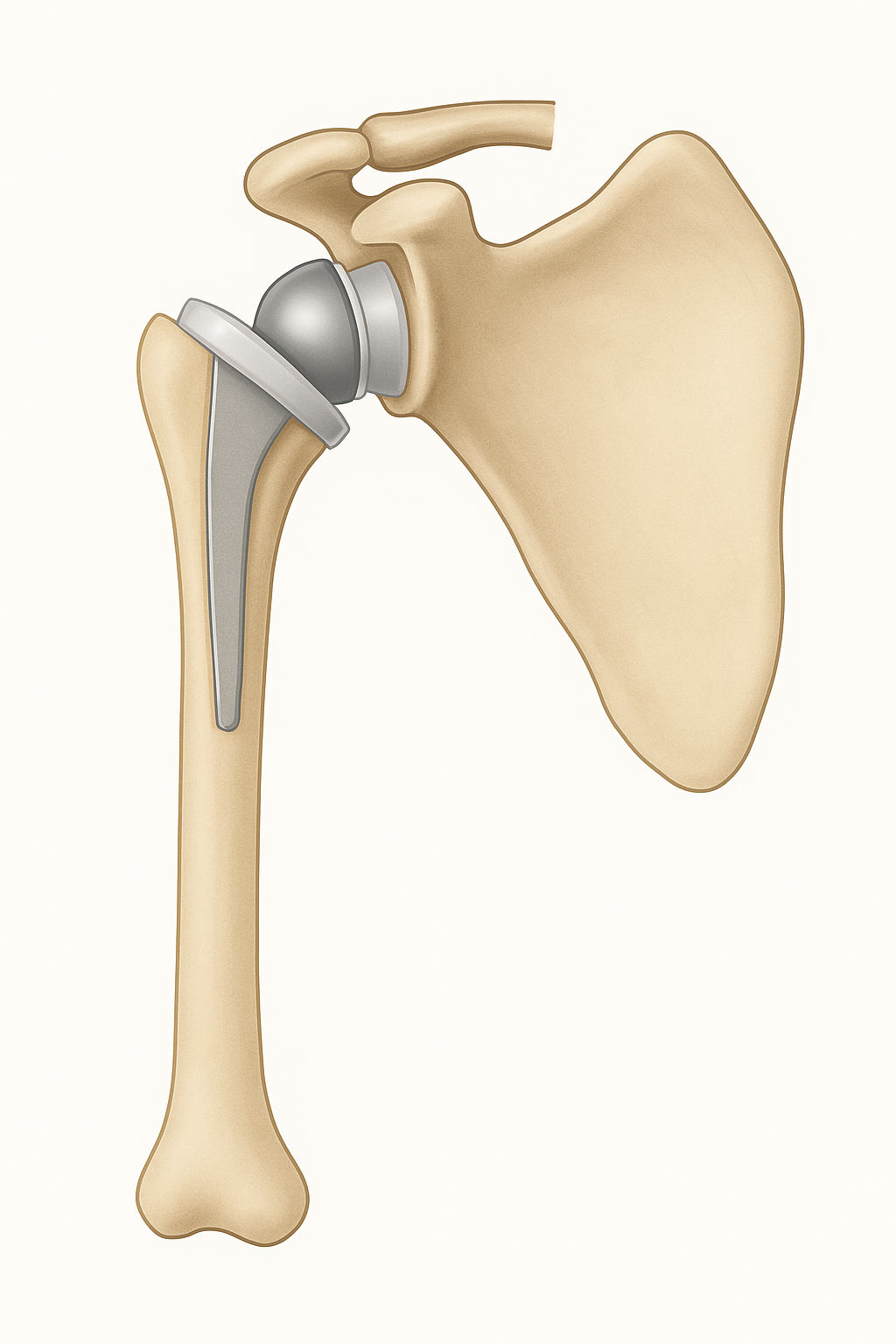
3. Revision Shoulder Replacement
Best for:
Failed prior shoulder replacement
Loose implants
Instability
Infection (after treatment)
Persistent pain after a previous arthroplasty
How it works:
Revision surgery involves removing or repairing previous components and reconstructing the joint using specialized implants, bone grafting, or a reverse system.
Why choose it:
Offers renewed function when a prior replacement has failed
Often uses modern reverse technology for stability and strength
What Matters Most in Choosing the Right Replacement
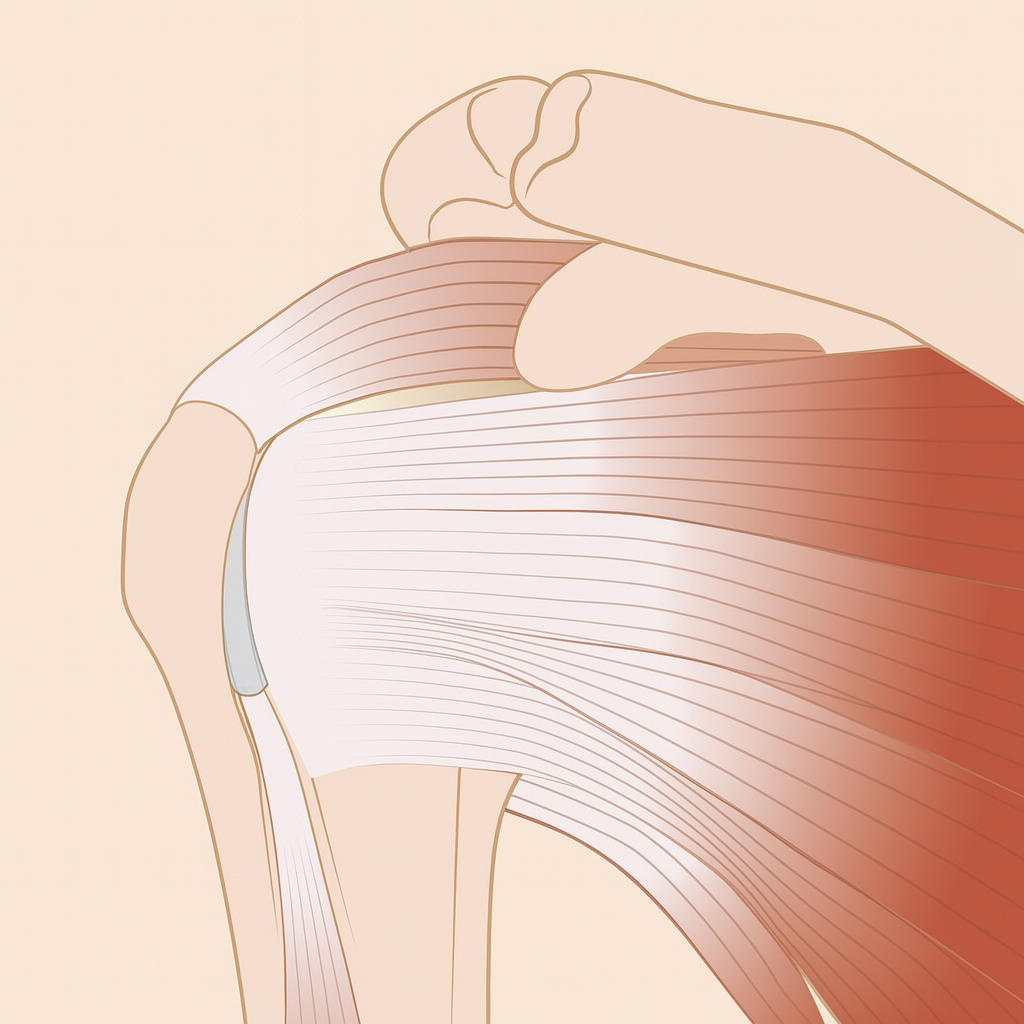
1. Your Rotator Cuff Health
This is the single biggest factor.
Intact cuff → Anatomic TSA
Torn/Weak cuff → Reverse TSA
2. Your Age & Activity Level
Anatomic TSA offers the most natural motion for active adults.
Reverse TSA provides dependable function even if tissues are weak.
3. Bone Structure & Previous Surgeries
If your glenoid bone is worn or altered → Reverse TSA may be preferred.
If you’ve had a prior replacement → Revision pathway.
4. Your Goals
Discuss what matters most: overhead reach, strength, golf, pickleball, hunting, lifting, or daily comfort.
How I Help You Choose
During your evaluation, I’ll examine:
Rotator cuff integrity (via exam + imaging)
X-ray patterns of arthritis
Glenoid version/bone loss
Prior surgeries
Your lifestyle and activity level
Most patients leave the consultation knowing exactly which procedure is the best match — and why.
Take the 30-Second Self-Assessment
You may be a candidate for anatomic TSA if:
Your pain is deep, aching, and worse at night
You’ve been told your rotator cuff is intact
You have grinding or stiffness
Lifting the arm is possible but painful
You may be a candidate for reverse TSA if:
You cannot lift your arm overhead
You have a known or suspected cuff tear
Your shoulder feels weak or unstable
X-rays show arthritis + superior migration
If more than 2 items apply, consider scheduling a formal evaluation.
Ready to Find Out Which Replacement Is Best for You?
Request a Shoulder Evaluation
I will review your history, imaging, goals, and perform an exam to determine the ideal option — anatomic, reverse, or revision.